
The Most Sustainable Food
& Our Chance at Reducing Hunger
Food Sovereignty Pt. 2 by Heidi Chaya
Eat More Deer by The Atlantic
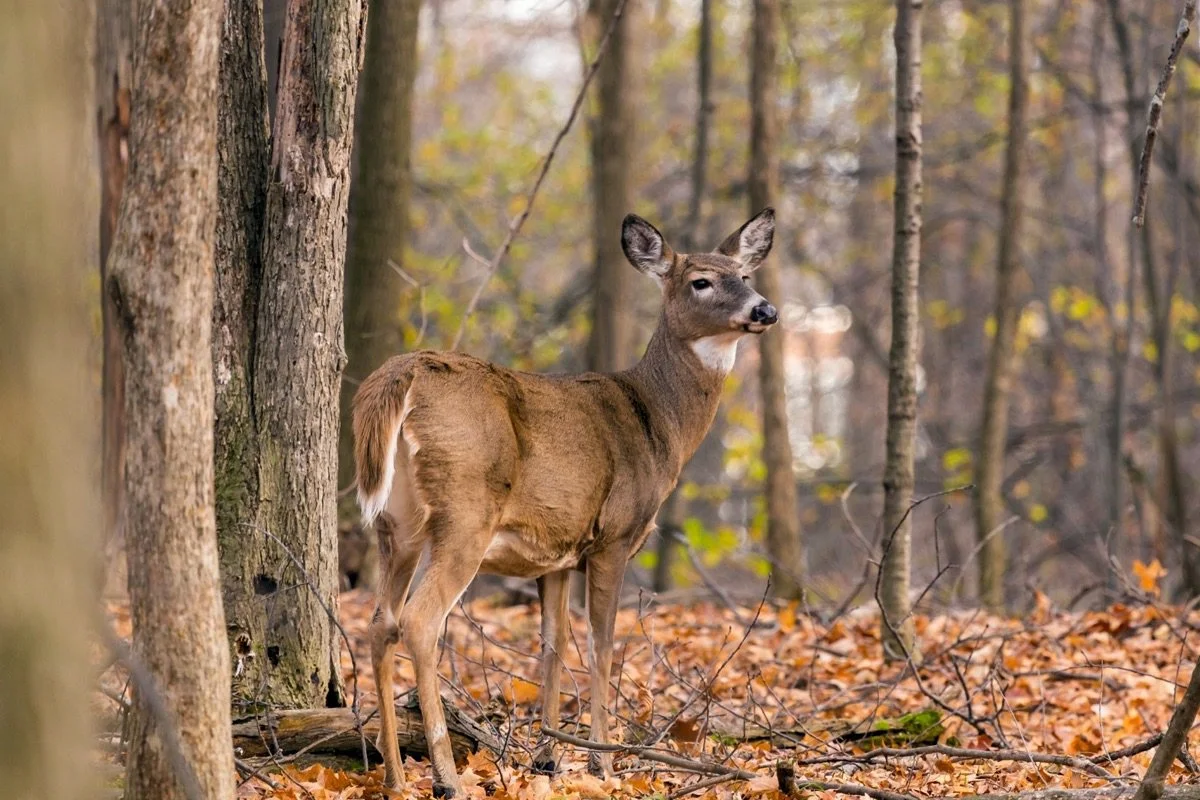
Decreasing the number of whitetail deer will give our forests the chance to regenerate, and it may also provide a solution for one of our most persistent societal problems — food insecurity. Approximately 1 in 4 adults in New York State experience food insecurity; local food pantries are struggling to keep up with the demand. Meanwhile, our ecosystem is struggling under the weight of 5-10x more deer it can sustain.
As Forest Defense, our main goal is to bring deer numbers down in areas impacted by overgrazing. This means that we don't stop after one or two successful hunts, or once our fridges are full. We keep hunting until the herd is managed to healthy levels, and leaving us with enough venison to feed our community.
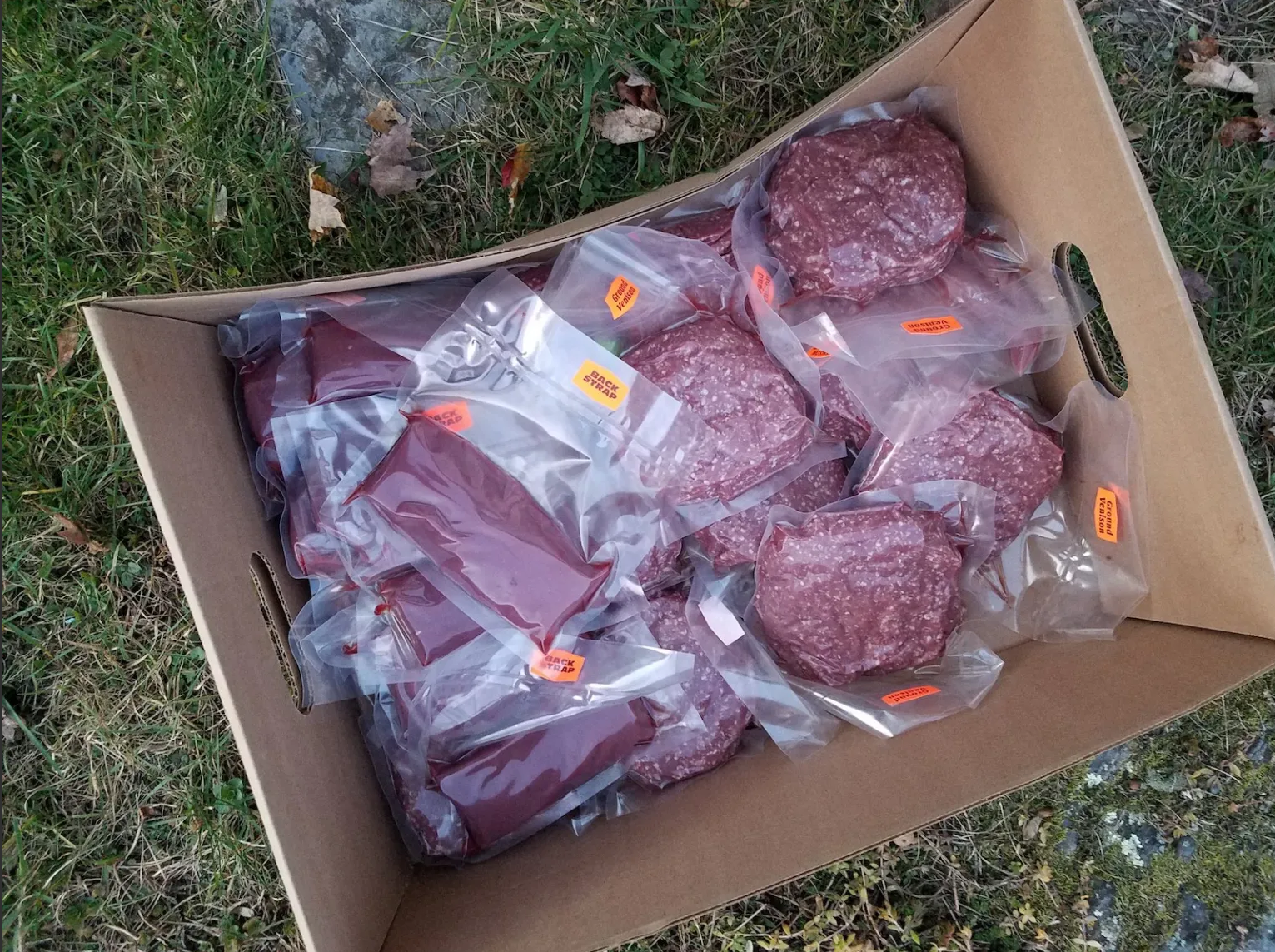
At the same time as our forests are struggling, families across the Hudson Valley are struggling to put food on their table, and protein is the most expensive, hardest ingredient for food programs to source. We bridge that gap by donating locally sourced venison to community kitchens and food pantries — getting high-quality, free-range protein to the people who need it most.
We also host butchering workshops for community members who want to be part of the solution. Many of the people who reach out to us don't hunt and don't own land, but they want to help. The more people who can break down a deer, the more our community can feed itself. And for anyone experiencing food insecurity who does have the interest and capacity, our workshops are also a chance to take home free meat, learn a lasting skill, and build a direct relationship with a local hunter for future donations.
How it works
Venison donation:
Forest Defense hunters harvest deer on private land and partner farms using NYS DEC permits
Deer are field dressed, cooled quickly, and taken to a professional processor
Processed venison is donated to community kitchens and food pantries across Columbia County
Butchering workshops:
Forest Defense partners with a butcher shop or a community kitchen
We donate 1+ deer for the workshop
A professional butcher teaches participants how to break down a whole deer
Workshops are open to anyone -- hunters, aspiring hunters, and people who just want to learn a skill that helps feed them and their community
Now that they have the skills, workshop attendees can connect with our hunters directly and receive full or quartered deer fresh after hunts, to be butchered in the comfort of their own home — or to collaborate with the hunter and butcher it at the hunter’s location if accessible.
If you are a butcher and want to work with us, or if you have a space/materials (vacuum sealers, vacuum seal bags, label makers, carving knives) to donate, please contact us at team@forestdefense.org
Forest Defense is actively fundraising to cover professional processing costs so we can donate more venison. You can make a tax deductible donation here.
Food Sovereignty
·
Public Resource
·
Local, Sustainable, Organic
·
Food Sovereignty · Public Resource · Local, Sustainable, Organic ·
Hunting saves native plants
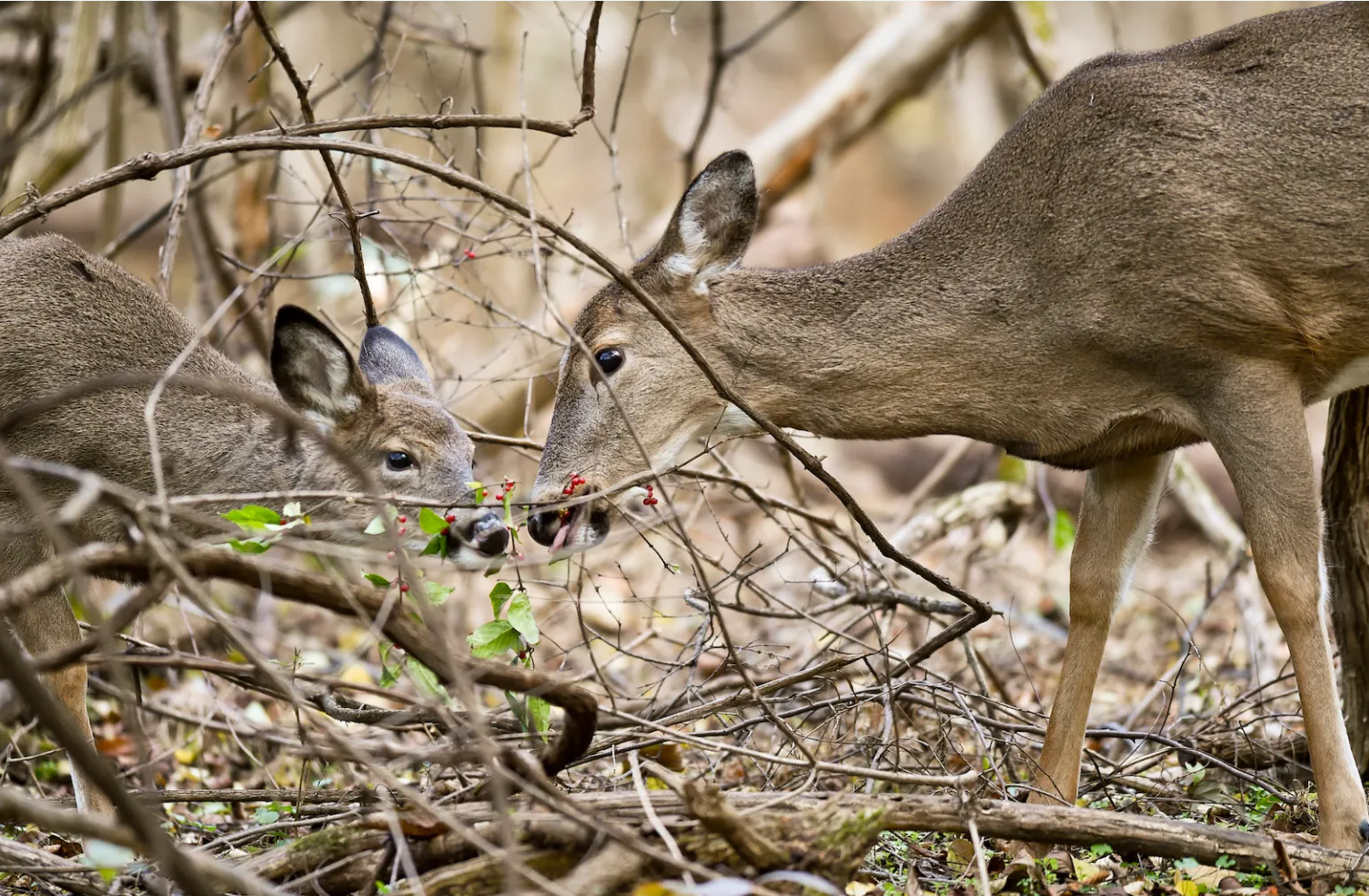
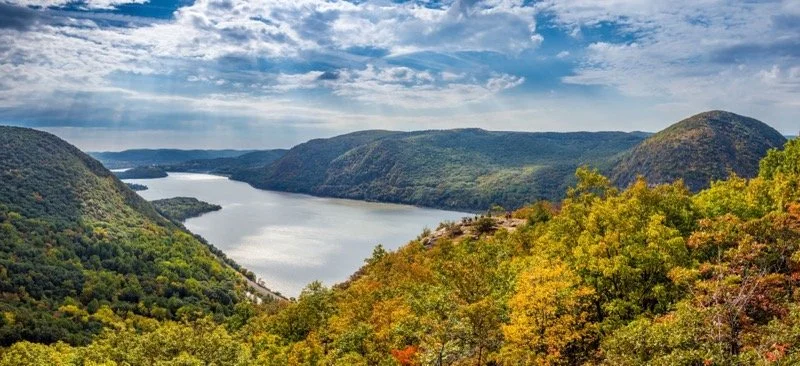
Whitetail deer graze on many plants, but they prefer native flowers and tree saplings. Because we have 5-10x more deer than our native plants can sustain, harvesting deer gives plants the chance to regenerate.
Native plants save pollinators
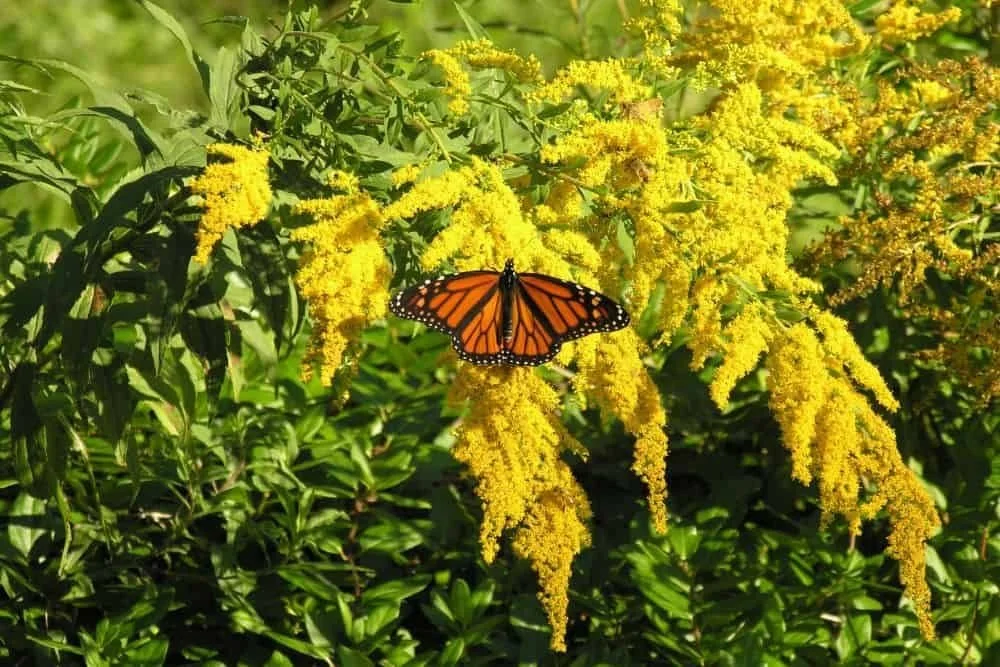
Local pollinators have co-evolved with native plants over millions of years, and intensive deer grazing allows introduced species to take over. Without biodiverse wildflowers and other native plants, habitats for pollinators will continue to shrink.
Pollinators save birds
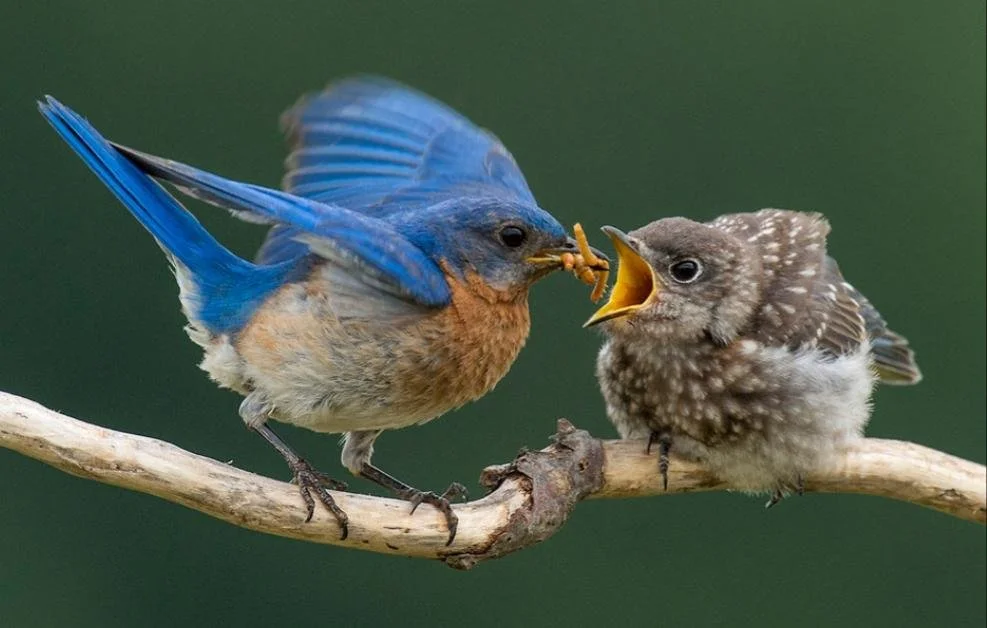
As the insect populations that feed on and pollinate local plants decline, birds lose a crucial food source. Pollinators (and their caterpillars!), such as moths, feed the majority of birds in the US.
Birds save us & the planet
Birds are an important part of the food web, feeding on mosquitoes and rodents that can carry diseases. They help spread seeds, creating biodiverse communities. Birds are also critical indicators for ecosystem health, as they are sensitive to environmental changes.
Have venison you want to donate?
WHERE TO PROCESS
Did you know that some butchers will process your venison free of charge if it is being donated to a food pantry? Here is the list of processors participating in the Feeding NYS program.
In Dutchess County you can also contact Hunters Feeding the Hungry (Anthony Pittore at (914) 755-9667 or Dave Morrison at (914) 755-7064)
Western/Central New York: Venison Donation
WHERE TO DONATE (if you’re processing yourself)
Most food pantries will accept venison donations, so long as the meat is vacuum sealed and labeled. Please, only donate deer that have been shot by non-lead ammo. If you are located in mid-Hudson Valley,* like us, these are some organizations you should consider donating to:
Columbia County Recovery Kitchen
Family of Woodstock / Ellenville / New Paltz
*The greatest poverty rates in this area are in Newburgh, Poughkeepsie, Kingston, and Hudson, so consider donating to pantries there when possible.